
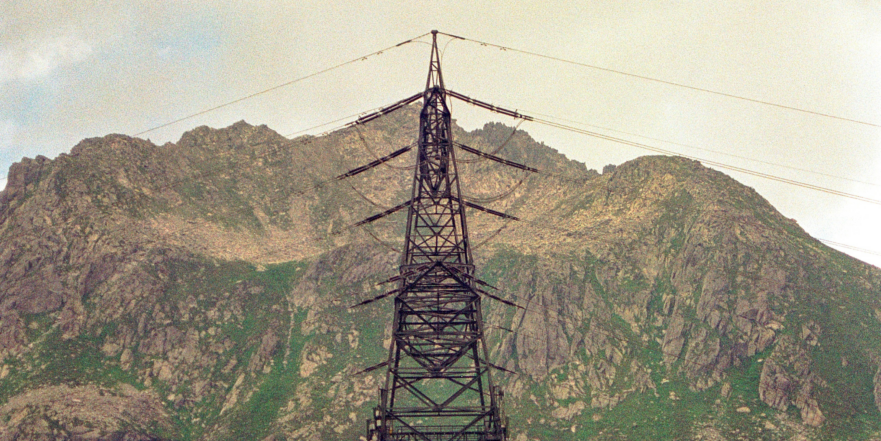
Supporting one of Europe’s leading renewable energy organisations to secure critical project leadership long before construction began.
Key Stats
- 12 months from candidate engagement to project mobilisation.
- Approximately 80% of the senior leadership team recruited.
- Multiple leadership disciplines delivered (Project Manager, HSE Manager, Civil Engineer, Site Manager, Site Supervisor, Planner).
- Confidential search with no public advertising.
- Talent pipeline created before recruitment officially began
Introduction
When major transmission projects are announced, the race to secure experienced project leaders often begins too late.
By the time construction is approaching, the most capable Project Managers, Site Managers and Health & Safety leaders are already committed to other programmes. Recruitment becomes reactive, timelines tighten, and organisations are forced to choose between delaying mobilisation or compromising on the calibre of talent.
For one global energy infrastructure organisation, the challenge was different. Rather than waiting for recruitment to become urgent, they wanted to build their leadership team while the project was still in its planning phase. Turner Lovell was engaged to develop a long-term talent pipeline, ensuring critical people were already in place before construction began.
Background & Objectives
Having secured a major transmission infrastructure project, our client had a significant planning period before works would begin on site.
This created a rare opportunity.
Instead of treating recruitment as a mobilisation activity, they wanted to treat it as part of the project strategy itself, identifying experienced leaders well in advance of delivery and reducing the risks associated with late-stage hiring.
The objective was to secure an experienced Project Manager almost a year before the role would officially commence, while simultaneously creating a recruitment strategy capable of supporting the wider leadership team as the project evolved.
Success depended on complete confidentiality, long-term candidate engagement and a recruitment partner capable of understanding not only the people required, but the programme itself.
The Challenges
Recruiting senior professionals for complex transmission projects isn’t simply a question of finding available candidates.
The strongest people in the market rarely apply for jobs. They’re already delivering critical infrastructure, often tied to long-term programmes with lengthy notice periods and highly specialised technical experience.
Waiting until mobilisation would have meant competing against the wider market for a limited pool of talent, increasing both recruitment risk and the potential for project delays.
The project also remained commercially sensitive throughout its planning stages. Recruitment could not be advertised publicly, and discussions surrounding future resource requirements needed to remain confidential.
Perhaps the biggest challenge, however, was time.
Turner Lovell would spend months identifying, engaging and maintaining relationships with prospective candidates before a placement fee was ever guaranteed. It required confidence in the process, trust from the client and a shared commitment to long-term project success rather than short-term recruitment activity.
Strategy & Execution
Working closely with the client throughout the planning phase, Turner Lovell gained early visibility of future resource requirements long before formal recruitment began.
Rather than advertising opportunities, our consultants carried out a targeted search across their established transmission network, identifying proven project leaders with the experience to deliver infrastructure programmes of this complexity and scale.
One Project Manager was identified, approached and engaged almost twelve months before the planned mobilisation date. Throughout that period, Turner Lovell maintained regular contact with both client and candidate, ensuring expectations remained aligned as project timelines developed.
That appointment became the foundation for a much broader recruitment strategy.
As planning progressed and additional requirements emerged, Turner Lovell continued building the senior leadership team through the same relationship-led approach, successfully appointing professionals across project management, civil engineering, health and safety, site management, site supervision and project planning.
By engaging early and recruiting strategically rather than reactively, the client entered construction with an established leadership team already in place.
Results
What began as the search for a single Project Manager developed into one of Turner Lovell’s most significant project partnerships.
Over the course of the programme, Turner Lovell recruited approximately 80% of the senior leadership team responsible for delivering the project, providing continuity from the earliest planning stages through to construction.
More importantly, the project demonstrated the value of bringing recruitment into the project lifecycle far earlier than is traditionally expected.
Instead of competing for talent when mobilisation became imminent, the client secured proven leaders before demand intensified, reduced recruitment risk and built a cohesive project team over time rather than under pressure.
For Turner Lovell, it reinforced a principle that continues to shape how we support major infrastructure programmes today:
The best recruitment decisions are rarely made when a vacancy appears. They’re made months before the industry realises that vacancy exists.